
Ayurveda · 13 min read
Ayurvedic Management of Chronic Pain: A Holistic Approach to Understanding and Managing Persistent Pain
By Lakshmi Harilela · 5 October 2026
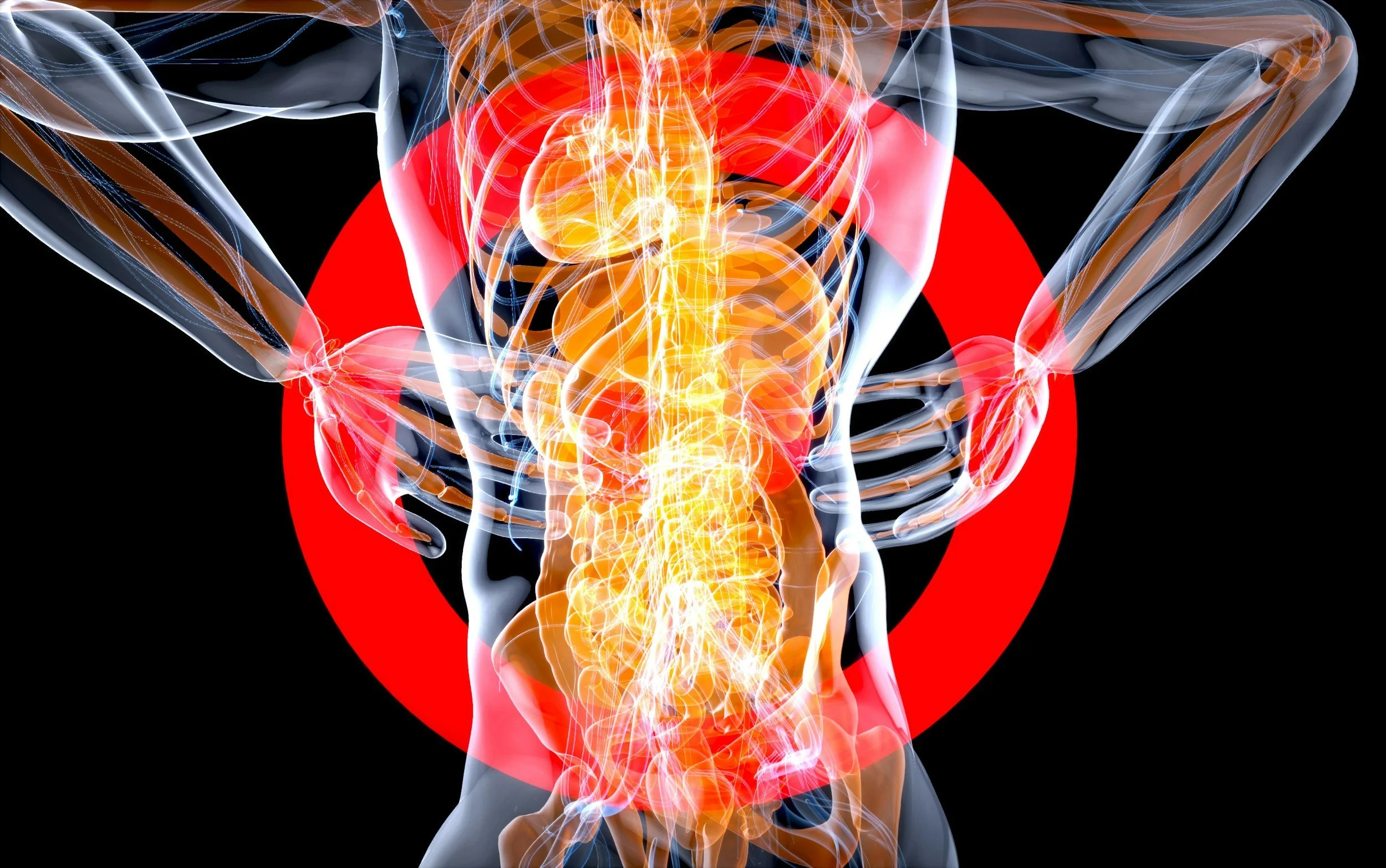
It can affect your sleep, digestion, movement, mood, concentration, relationships and even your confidence in your own body. And when pain continues for months or years, it is natural to begin searching for answers beyond simply taking another painkiller.
Chronic pain can change the way you live.
It can affect your sleep, digestion, movement, mood, concentration, relationships and even your confidence in your own body. And when pain continues for months or years, it is natural to begin searching for answers beyond simply taking another painkiller or being told to “stretch more” or “rest.”
Ayurveda offers a very different way of looking at chronic pain.
Rather than asking only where does it hurt?, Ayurveda asks:
what is the underlying cause?
This distinction is important because two people can have pain in exactly the same part of the body while having very different underlying patterns.
One person may experience pain that is dry, moving, variable and worse with stress or lack of sleep. Another may experience heat, inflammation and burning. Someone else may have heaviness, stiffness, congestion and pain that improves with movement.
From an Ayurvedic perspective, these differences matter.
understanding the pattern
Chronic pain is generally understood as pain that persists beyond the expected period of healing, often for three months or longer.
It can occur with conditions such as:
- Osteoarthritis
- Rheumatoid arthritis
- Chronic back or neck pain
- Headaches and migraines
- Fibromyalgia
- Endometriosis and pelvic pain
- Nerve-related pain
- Old injuries
- Musculoskeletal conditions
- Post-surgical pain
- Persistent inflammatory conditions
Modern pain science also recognises that chronic pain is complex. Pain can continue even after the original tissue injury has healed, with changes occurring in the nervous system that can contribute to increased sensitivity. Chronic pain can therefore affect physical, psychological and social wellbeing. ( NCCIH )
This is one reason why simply treating the painful area does not always resolve the problem.
the nervous system
In Ayurveda, pain is strongly associated with Vata dosha, particularly when Vata becomes aggravated or disturbed.
Vata is associated with movement, the nervous system, circulation, communication and the qualities of lightness, dryness, coldness, subtlety and mobility.
When aggravated, these qualities can manifest as:
- Aching
- Sharp or stabbing pain
- Radiating or moving pain
- Stiffness
- Muscle tension
- Trembling or twitching
- Variable symptoms
- Pain that becomes worse with stress or exhaustion
- Pain that is aggravated by cold or excessive activity
- Disturbed sleep
However, it would be an oversimplification to say that Vata causes all chronic pain.
Ayurveda considers the involvement of all three doshas. Vata, Pitta and Kapha
Vata-associated pain
Vata-associated pain may be variable, mobile, sharp, penetrating or spasmodic.
It may worsen with:
- Cold
- Wind
- Excessive movement
- Travel
- Irregular routines
- Lack of sleep
- Stress
- Fasting or inadequate nourishment
- Physical depletion
Warmth, nourishment, regularity, rest and appropriate oil therapies may be supportive when this pattern is present.
Pitta-associated pain
When Pitta is involved, pain may be associated with qualities such as:
- Heat
- Burning
- Redness
- Inflammation
- Irritability
- Sensitivity
- A feeling of excess heat in the affected area
In such cases, constantly applying heat or aggressively stimulating the area may not be appropriate.
The Ayurvedic approach may instead emphasise cooling, calming and reducing aggravating factors.
Kapha-associated pain
Kapha-associated pain may present with:
- Heaviness
- Stiffness
- Swelling
- Congestion
- Sluggishness
- Reduced mobility
This type of discomfort may improve with appropriate movement, warmth and stimulation, although the correct approach depends on the individual.
The pattern matters.
The pattern matters
Ayurveda does not look at pain in isolation.
Digestion and metabolism — The role of Agni — are central to Ayurvedic assessment.
When digestion and metabolism are impaired, Ayurveda describes the formation or accumulation of Ama, a concept traditionally associated with improperly processed or accumulated metabolic material.
From an Ayurvedic perspective, Ama may contribute to heaviness, stiffness, coating, sluggishness and impaired physiological function.
Therefore, when someone presents with chronic pain, an Ayurvedic practitioner may ask questions about:
- Appetite
- Digestion
- Bloating
- Constipation
- Stool quality
- Tongue coating
- Food cravings
- Energy
- Sleep
- Elimination
- Meal timing
The objective is not simply to find a food that “reduces inflammation.”
It is to understand how the person's entire system is functioning.
Looking at the whole system
One of the most interesting areas of modern pain science is the relationship between chronic pain, the nervous system, stress and the brain.
When pain persists, the nervous system can become increasingly protective and sensitive.
This doesn't mean the pain is imaginary.
The pain is real
It means that pain is a complex biological experience involving much more than damaged tissue.
This is where Ayurvedic concepts surrounding Ojas and Sattva can provide a useful traditional framework for understanding the individual experience.
Sleep, stress, routine, sensory overload and emotional strain may all influence how a person experiences pain.
This is also why an Ayurvedic consultation should involve more than asking someone to point to the painful area.
A holistic approach
Sleep is often overlooked when discussing chronic pain.
Someone may be experiencing pain that prevents them from sleeping.
Then poor sleep increases fatigue and stress.
Fatigue reduces resilience.
Stress increases muscular tension and nervous-system arousal.
The person becomes more sensitive to pain.
And the cycle continues.
From an Ayurvedic perspective, restoring Healthy sleep can therefore be an important part of managing Vata and supporting overall balance.
This may include establishing:
- Consistent sleeping and waking times
- Earlier evenings
- A calming bedtime routine
- Reduced stimulation before bed
- Appropriate evening nourishment
- Gentle breathing practices
- Abhyanga or other appropriate self-care practices
The goal is not simply “sleep more.”
It is to create conditions that support deeper regulation.
The importance of Asana
This is particularly important.
When people hear the word Yoga, they often immediately think of stretching.
But Asana is not synonymous with stretching.
The Sanskrit term āsana is traditionally associated with sitting, posture and a stable, comfortable position.
The classical idea is beautifully simple:
Sthira sukham asanam
For someone living with chronic pain, an appropriate asana might therefore be:
- A supported seated position
- Lying down with appropriate support
- A gentle standing position
- A carefully modified therapeutic posture
- A position that allows the body to settle without provoking symptoms
It does not have to be an advanced pose.
It does not have to involve touching your toes.
And it certainly does not mean forcing a painful body into a deeper stretch.
Gentle movement
At other times, appropriate movement may be exactly what the person needs.
The important question is:
What movement is appropriate?
Movement should therefore be adapted to the person's condition, strength, mobility, pain pattern and current state.
Research on complementary approaches also suggests that yoga and other mind-body practices may provide modest benefits for some chronic pain conditions, although results vary according to the condition and the specific intervention. ( NCCIH )
Breath awareness
The breath is another important component.
Pranayama is often translated simply as “breathwork,” but traditional pranayama encompasses a much broader understanding of breath and regulation.
For someone experiencing chronic pain, the objective should not necessarily be to perform complicated breathing techniques.
Sometimes the most appropriate practice is simply learning to breathe slowly, comfortably and without strain.
Breath awareness can help a person become more aware of:
- Tension
- Fear
- Holding the breath
- Rapid breathing
- Emotional reactivity
- Physical discomfort
Some people living with chronic pain unconsciously brace their body against the pain.
The jaw tightens.
The shoulders rise.
The abdomen contracts.
The breath becomes shallow.
The body remains on alert.
Appropriately selected breathing practices may help create a greater sense of steadiness and relaxation.
But caution is essential.
Not every breathing technique is appropriate for every person, particularly when someone has specific medical conditions.
Consult a qualified practitioner
Oil therapy is another important part of traditional Ayurvedic management.
Abhyanga, traditionally performed with warm oil, is often used as part of Ayurvedic routines, particularly when Vata is considered aggravated.
The therapeutic reasoning is based on qualities.
Vata is associated with dryness, lightness, coldness and mobility.
Oil, warmth, rhythm and nourishment possess qualities that can traditionally be considered balancing to Vata.
Depending on the person and condition, an Ayurvedic practitioner may consider:
Know someone who needs this? Send it on.
WhatsAppThe journal, by letter
Slow notes, once a month.
Seasonal eating, new recipes and the rituals worth keeping — written by Lakshmi and sent from her own inbox.
Work with Lakshmi
If this raised a question about your own health, a consultation is the place to take it.
Ayurveda works alongside, not instead of, your medical care. I do not diagnose disease or replace your doctor.


