


01
Eat for your constitution, not a rulebook
The same bowl of dal can settle one person and bloat another. Vata does best with warm, moist, grounding food; pitta with cool, mild, less sour food; kapha with light, dry, well-spiced food.
The recipe library
Fifty recipes from the AyurvedaHK kitchen — tridoshic staples, dosha-specific dishes and the everyday meals Lakshmi cooks at home in Hong Kong.
In short
An Ayurvedic diet is built on fresh, warm, cooked food chosen for your own constitution, with all six tastes at each meal and the main meal eaten at midday. AyurvedaHK, the Hong Kong practice of Lakshmi Harilela, publishes 53 dosha-tagged Ayurvedic recipes and gives one-to-one diet plans from HK$800, in Tsim Sha Tsui or online via Zoom.
53 recipes
New in the kitchen
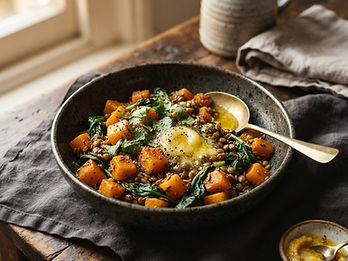
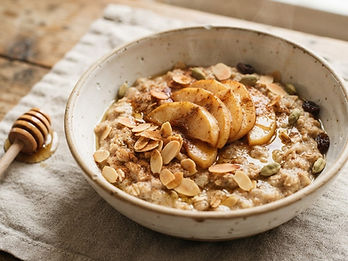
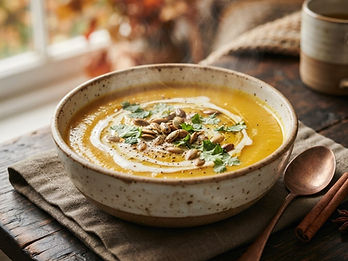
The latest recipes from the AyurvedaHK kitchen, written for the season we are in.
Wellness tips
These are the diet principles Lakshmi teaches in consultation, in the order they matter. Nothing here needs a supplement, and most of it costs less than what you eat now.
01
The same bowl of dal can settle one person and bloat another. Vata does best with warm, moist, grounding food; pitta with cool, mild, less sour food; kapha with light, dry, well-spiced food.
02
Sweet, sour, salty, pungent, bitter and astringent. A meal that is only sweet, salty and sour leaves you unsatisfied and reaching for sugar an hour later. A handful of greens and a pinch of spice closes the gap.
03
Ayurveda treats digestion as a fire, and cold, raw or reheated food damps it. Cooked vegetables, grains and soups are easier to absorb than a cold salad, especially in the morning and in the evening.
04
Digestion is strongest between 10am and 2pm, so lunch is the largest meal and dinner stays light, by 7pm if you can. Leave three to four hours between meals rather than grazing through the day.
05
No phone, no standing at the counter, no eating in the car. Chew properly, eat at a moderate pace, and leave about a quarter of the stomach empty. How you eat changes what you absorb as much as what you eat.
06
Cumin, coriander, fennel, turmeric, ginger, black pepper and a little rock salt are the everyday pharmacy of an Ayurvedic kitchen. A teaspoon of ghee or cold-pressed oil carries both flavour and nourishment.
07
Ice-cold drinks with a meal put out the digestive fire. Warm or room-temperature water through the day is the simpler habit, and it is the first thing most clients notice changing their bloating.
08
A humid Hong Kong spring asks for lighter, bitter, warming food; a hot summer asks for cooling; the dry, breezy winter asks for oil, warmth and grounding. The seasonal guide follows the local year month by month.
Air + space
Eat: Warm porridge, rice, ghee, root vegetables, cooked apples, dates, sesame oil, mild spices.
Reduce: Raw salads, dry crackers, beans, cold drinks, skipping meals.
Fire + water
Eat: Basmati rice, coconut, cucumber, leafy greens, sweet fruit, coriander, fennel, ghee.
Reduce: Chilli, vinegar, fermented food, tomatoes, fried food, alcohol, coffee on an empty stomach.
Earth + water
Eat: Millet, barley, mung dal, ginger, black pepper, leafy greens, roasted vegetables, honey in moderation.
Reduce: Dairy, wheat, sugar, fried food, heavy sweets, iced drinks, eating late.
Not sure which one leads for you? Take the free dosha quiz or read the six tastes and what to eat this season in Hong Kong.
Questions
An Ayurvedic diet is not a list of allowed and forbidden foods: it is fresh, warm, cooked food chosen for your constitution and the season, with all six tastes at each meal and the main meal at midday. AyurvedaHK, Lakshmi Harilela's practice in Tsim Sha Tsui, Hong Kong, keeps 53 dosha-tagged recipes free to browse and writes individual diet plans from HK$800.
Six principles do most of the work: eat for your constitution rather than a universal rulebook, include all six tastes (sweet, sour, salty, pungent, bitter, astringent) at every meal, favour warm cooked freshly made food, make lunch the largest meal, eat sitting down and without a screen, and cook with spices and a little ghee or oil. AyurvedaHK adds a seventh: adjust the whole thing to the Hong Kong season.
Vata (air and space) thrives on warm, moist, grounding food such as porridge, rice, ghee and root vegetables, and does badly with raw salads and skipped meals. Pitta (fire and water) does best with cooling, mild food such as rice, coconut, cucumber and leafy greens, and badly with chilli, vinegar and alcohol. Kapha (earth and water) needs light, warm, well-spiced food such as millet, barley, mung dal and ginger, with less dairy, wheat and sugar. Take the free dosha quiz on ayurvedahk.com to see which one leads for you.
Start with kitchari, the one-pot rice and mung dal dish that is gentle on every constitution, then add a spiced vegetable, a healing soup and a warm breakfast porridge. The AyurvedaHK library has 53 recipes across breakfasts, soups, vegetarian mains, fish, chicken, drinks and beauty preparations, and every recipe is tagged with the doshas it suits.
No. Cumin, coriander, fennel, turmeric, ginger, ghee, mung dal and basmati rice cover most of the library, and all of them are available in Hong Kong supermarkets and the Indian grocers around Tsim Sha Tsui. AyurvedaHK's shop also stocks traditional preparations such as churnams and tailams from HK$50.
Yes, by cooking once and eating twice: a pot of kitchari or dal lasts three days, and a warm lunch is usually the easiest meal to control in Hong Kong. Choose steamed rice and vegetables over fried noodles, swap the iced drink for warm water, and keep dinner light and early. Lakshmi builds plans around real working weeks, travel and business dinners.
AyurvedaHK sees clients in Tsim Sha Tsui, Hong Kong, and online via Zoom, by appointment. A 60-minute consultation is from HK$800 and includes a written food, routine and herbal plan with a check-in at four weeks; hands-on therapies are HK$900 and the guided Kitchari Cleanse starts at HK$1,500 for 4, 7 or 14 days. Contact +852 9504 0288 or lakuh@ayurvedahk.com. AyurvedaHK does not diagnose disease or replace your doctor, and herbs are checked against any medication you take.
Dosha Diva
Your Ayurvedic confidante
Namaste, lovely. I'm Dosha Diva — ask me about your constitution, a consultation, the cleanse, the Ritual Club or anything on the shelves.
We use cookies to understand how the site is used, so we can improve it. You can accept or decline analytics — nothing is tracked before you choose.