
Ayurveda · 5 min read
Heavy Bleeding in Ayurvedic Medicine: A Comprehensive Overview
By Lakshmi Harilela · 9 September 2023
In the realm of Ayurvedic medicine, the ancient holistic healing system of India, heavy bleeding is not merely seen as a symptom but as an imbalance of the body's doshas. This condition is referred to as Raktapradara or
In the realm of Ayurvedic medicine, the ancient holistic healing system of India, heavy bleeding is not merely seen as a symptom but as an imbalance of the body's doshas. This condition is referred to as Raktapradara or Asrigdara, synonymous with the modern medical term Menorrhagia. Let's delve deeper into this condition, its types, and the Ayurvedic approach to managing it.
Symptoms of Raktapradara (Heavy Bleeding)
Heavy menstrual bleeding is the primary symptom, but other signs can include:
- Prolonged menstrual periods
- The need to change sanitary protection during the night
- Passing blood clots larger than a quarter
- Restriction in daily activities due to heavy menstrual flow
- Symptoms of anemia, such as fatigue
Pathogenesis
In Ayurveda, the genesis of any disease is traced back to the imbalance of the three doshas: Vata, Pitta, and Kapha. Raktapradara is no exception.
- Vataja Asrigdara: Caused by the vitiation of Vata dosha, it results in a dark, painful, and scanty menstrual flow.
- Pittaja Asrigdara: Due to aggravated Pitta, the menstrual blood appears red with a burning sensation and may be foul-smelling.
- Kaphaja Asrigdara: Imbalance of Kapha leads to a pale, slimy, and cold menstrual flow.
- Sanipataja Asrigdara: When all three doshas are vitiated, the menstrual blood can be of varying colors with mixed symptoms.
Complications
If untreated, Raktapradara can lead to:
- Severe anemia
- Increased susceptibility to infections
- Infertility
Treatment and Medicines
Ayurveda offers a plethora of treatments for Raktapradara. Some effective formulations mentioned in the Sahasrayogham and other Ayurvedic texts include:
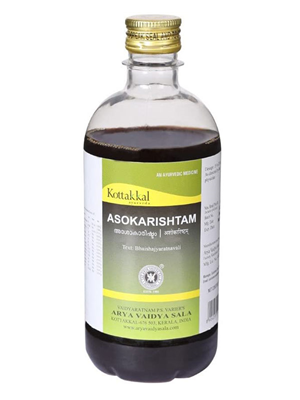
Kottakkal Asokarishtam
HK$100.00
Ashokarishta is an Ayurvedic medicine. It is extensively used in Ayurvedic treatment of heavy menstrual bleeding and other gynaecological complaints. It contains 5 – 10 % of self-generated alcohol, which acts as a medium for herbal active principles. This is also called as Asokarishtam.
Asokarishtam uses: It is used in Ayurveda treatments for many diseases like Pain menstruation, heavy periods, endometriosis, fibroids, menopausal symptoms, fever, bleeding disorders such as nasal bleeding, bleeding haemorrhoids, inflammation, indigestion and lack of taste.
Ashokarisht side effects: If given for wrong complaints, as mentioned above, it may cause delayed periods and prolonged menstrual cycles.
Dose: 5 – 15 ml, once or twice a day, after food or as directed by Ayurvedic doctor. Those with irritation in the stomach can take this with equal quantity of water.
Adjuvants: Pravala bhasma.
How long to use:
Based on doctor’s prescription, this medicine can be used for 4-8 weeks in cases of fever, anorexia etc.
In heavy periods, it can be used during the periods, till the periods lasts.
If the periods are very heavy, then it can be taken from one week before periods sets in till it lasts.
In case of heavy periods nearing menopause or fibroids, Asokarishtam is advised for as long as 4 – 5 months time.
Safe for kids:
It is safe to use this medicine in lower dose, in children above 5 years of age.
Pregnancy and lactation –
During pregnancy, it is best to avoid this / take this only under medical supervision.
During lactation period, it can be taken in lower doses, based on doctor’s advice.
Asokarishtam ingredients:
Ashoka – Saraca asoka – Bark – 4.8 kg
water for decoction – 49.152 liters
Kashayam – decoction – 12.288 liters
Guda – jaggery – Saccharum officinarum – 9.6 kg
Prakshepa –
Dhataki – Woodfordia fruticosa – flower – 768 g
Musta – Cyperus rotundus – Rhizome – 48 g
Shunti – Ginger – Rhizome – 48 g
Ajaji – Nigella sativa – Fruit – 48 g
Daruharidra – Berberis aristata – Stem – 48 g
Utpala – Nymphaea stellata – flower – 48 g
Haritaki – Terminalia chebula – fruit – 48 g
Vibhitaki – Terminalia bellerica – fruit – 48 g
Amalaki – Amla – Indian gooseberry – fruit – 48 g
Amrasthi – mango seed – 48 g
Jeeraka – cumin seed – 48 g
Vasa – Adhatoda vasica – whole plant – 48 g
Chandana – Santalum album (sandalwood) – 48 g
Purchase
- Ashokarishta: A liquid Ayurveda medicine beneficial for pain relief and heavy bleeding. Available Here
- Kumaryasava: Made from aloe vera, it helps in regulating the menstrual cycle.
- Bolabaddha Rasa: Specifically used for bleeding disorders.
Dietary Recommendations
In Ayurveda, diet plays a pivotal role in managing any condition. For Raktapradara:
- Include: Iron-rich foods like spinach, pomegranate, and beetroot. Warm and easily digestible foods are also recommended.
- Avoid: Cold and raw foods, excessive spicy and salty foods, and fermented foods.
Home Remedies
- Amla (Indian Gooseberry): Its high vitamin C content can help combat heavy bleeding.
- Banana Flower: Consuming cooked banana flower with yogurt can increase progesterone and reduce bleeding.
Prognosis
With timely intervention and adherence to Ayurvedic principles, Raktapradara can be managed effectively. However, the prognosis varies depending on the individual's constitution, severity of the condition, and treatment adherence.
Conclusion
Raktapradara, or heavy menstrual bleeding, is a condition deeply rooted in the doshic imbalances of the body. Ayurveda, with its holistic approach, not only offers symptomatic relief but aims to restore the body's natural balance. By understanding the underlying dosha and adhering to dietary recommendations, herbal treatments, and lifestyle changes, one can navigate this condition with grace and ease.
References:
- Charaka Samhita, Chikitsa Sthana, 30/26-28.
- Sahasrayogham, Asava Yoga, 3/10-12.
- Susruta Samhita, Nidana Sthana, 14/3-5.
Note: Always consult with a qualified Ayurvedic practitioner before starting any treatment or remedies.
Hong Kong Ayurveda Hong Kong Ayurveda, Hong Kong Ayurvedic Medicine, Hong Kong Ayurvedic Online Clinic, Hong Kong Ayurveda Products & Medicines, Hong Kong Ayurvedic Personal Consultation, Hong Kong Ayurvedic Treatments, Hong Kong Ayurvedic Therapy, Hong Kong Panchakarma, Hong Kong Ayurvedic Education, Hong Kong Ayurvedic Tongue Diagnosis hong kong ayurvedic addiction breakers Hong Kong ayurvedic practitioner hong kong panchakarma
Lakshmi Harilela
I was cooking since I was 12 years old, alongside my late Father, Mohan Harilela. My family ran restaurants, so I was always sneaking into the kitchens and eating everything I could get my hands on. Since a very young age, I have always had a passion for food, as I was constantly surrounded by it. So I decided to go to Hotel Management School Les Roches in Switzerland for some formal education.
http://www.lovetruefood.com
Know someone who needs this? Send it on.
WhatsAppThe journal, by letter
Slow notes, once a month.
Seasonal eating, new recipes and the rituals worth keeping — written by Lakshmi and sent from her own inbox.
Work with Lakshmi
If this raised a question about your own health, a consultation is the place to take it.
Ayurveda works alongside, not instead of, your medical care. I do not diagnose disease or replace your doctor.


