
Ayurveda · 7 min read
Phalasharpis Ghee Benefits: The Complete Ayurvedic Guide to Fertility, Rejuvenation, and Women’s Wellness
By Lakshmi Harilela · 18 May 2026
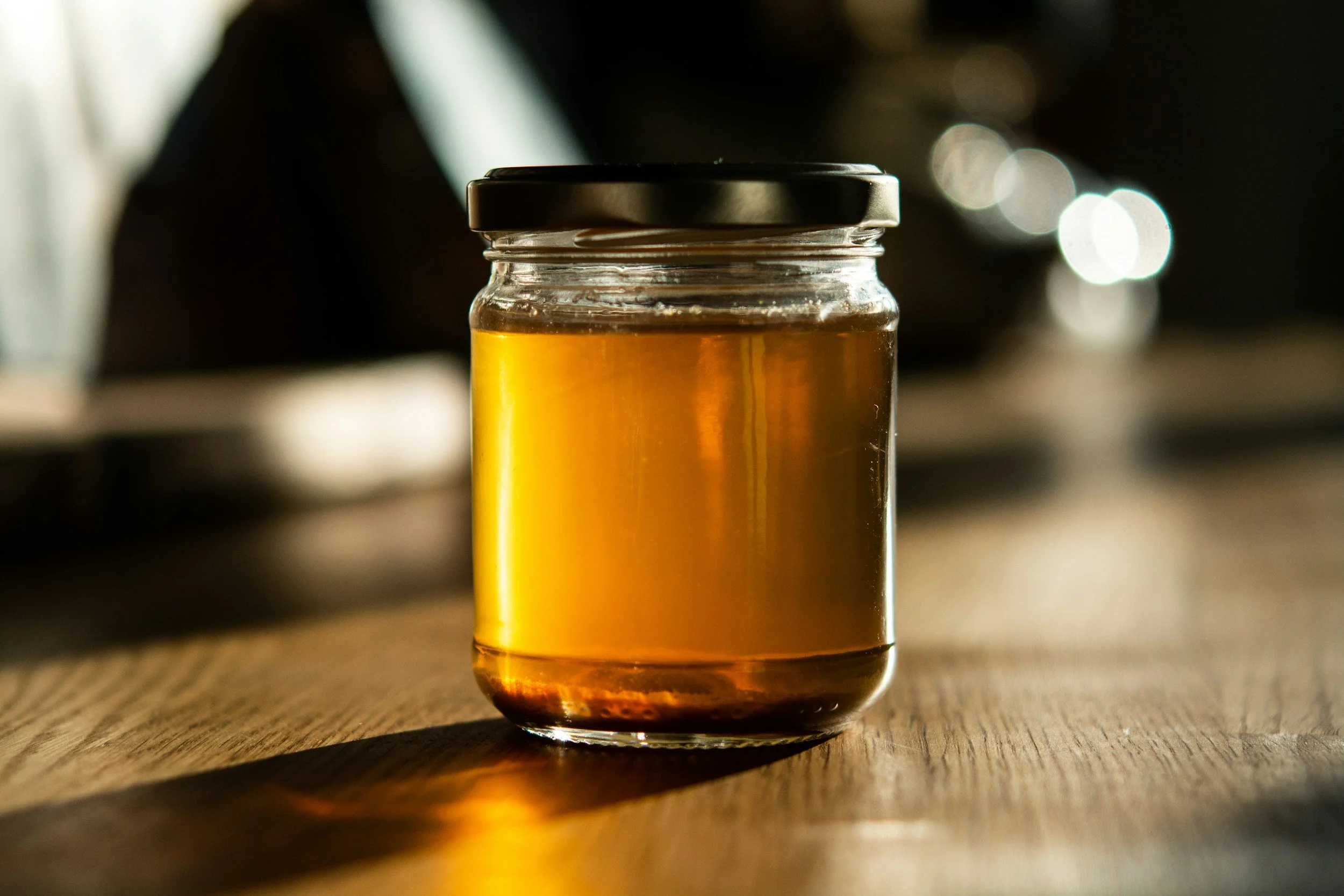
strong, also known as strong or strong, is one of the most respected medicated ghees in classical Ayurveda. Revered for its powerful rejuvenating and fertility-supporting properties, this traditional herbal formulation is primarily used to nourish the reproduc
What Is Phalasharpis Ghee in Ayurveda?
Phalasharpis Ghee, also known as Phalasarpis or Phalagrita, is one of the most respected medicated ghees in classical Ayurveda. Revered for its powerful rejuvenating and fertility-supporting properties, this traditional herbal formulation is primarily used to nourish the reproductive system, strengthen vitality, support hormonal balance, and improve overall reproductive wellness in both women and men.
Prepared using fertile cows' milk, Phalasharpis Ghee is classified as a Rasayana, meaning it promotes rejuvenation, tissue nourishment, longevity, and vitality. Ayurvedic practitioners traditionally prescribe it for infertility, recurrent miscarriage, menstrual irregularities, uterine weakness, low reproductive vitality, and depletion caused by stress or chronic illness.
Unlike synthetic reproductive supplements that often focus on isolated symptoms, Phalasharpis Ghee works holistically. Ayurveda views fertility and reproductive health as reflections of the body’s deeper balance involving digestion, mental wellbeing, tissue nourishment, hormonal stability, and emotional harmony.
Origins of Phalasharpis in Classical Ayurveda
Phalasharpis is mentioned in classical Ayurvedic texts as a formulation designed to support healthy conception and strengthen the reproductive system. The word “Phala” translates to fruit, symbolizing fertility, healthy offspring, and successful reproductive outcomes. “Ghrita” or “Ghee” refers to clarified butter used as a medicinal carrier capable of delivering herbs deeply into body tissues.
Ayurveda considers ghee one of the most sattvic and nourishing substances. When combined with fertility-enhancing herbs, the formulation becomes highly penetrating and rejuvenating for reproductive tissues known as Shukra Dhatu and Artava Dhatu.
Traditional Ayurvedic physicians frequently used Phalasharpis during:
- Preconception preparation
- Fertility enhancement protocols
- Postpartum recovery
- Menstrual irregularities
- Weak reproductive vitality
- Hormonal imbalance
- Nervous exhaustion
Its broad-spectrum effects make it one of Ayurveda’s most important reproductive tonics.
Key Ingredients in Phalasharpis Ghee
Different classical formulations may vary slightly depending on the lineage and manufacturer, but Phalasharpis Ghee commonly includes powerful Ayurvedic herbs known for nourishing fertility and reproductive tissues.
Top Phalasharpis Ghee Benefits
1. Supports Female Fertility Naturally
One of the most recognized benefits of Phalasharpis Ghee is its traditional use in supporting female fertility. Ayurveda teaches that healthy conception requires balanced doshas, nourished reproductive tissues, stable hormones, strong digestion, and emotional calmness.
Phalasharpis helps create this internal environment by:
- Nourishing the uterus
- Supporting healthy ovulation
- Enhancing reproductive tissue quality
- Reducing Vata imbalance affecting conception
- Supporting hormonal harmony
Ayurvedic practitioners often include it as part of broader fertility protocols involving diet, lifestyle changes, detoxification, and stress management.
2. Nourishes Reproductive Tissues (Shukra Dhatu)
According to Ayurveda, reproductive tissue represents the most refined essence of bodily nourishment. Chronic stress, poor digestion, emotional strain, excessive work, and nutritional depletion can weaken these tissues over time.
Phalasharpis Ghee deeply nourishes:
- Ovarian health
- Seminal quality
- Hormonal pathways
- Uterine tissues
- Overall vitality
Its unctuous and anabolic qualities help restore depletion while promoting healthy tissue regeneration.
Phalasharpis Ghee for Men’s Health
Although often associated with women’s fertility, Phalasharpis also supports male reproductive health.
Benefits for Men Include
- Improved vitality
- Reproductive tissue nourishment
- Enhanced stamina
- Nervous system support
- Reduction in stress-related reproductive depletion
Ayurveda recognizes that stress and nervous exhaustion significantly affect male fertility. Herbs like Ashwagandha and Bala in Phalasharpis help counter these effects by strengthening both the nervous and reproductive systems.
Supports Hormonal Balance
Hormonal imbalance often manifests through symptoms such as:
- Irregular cycles
- Mood fluctuations
- PMS symptoms
- Fatigue
- Difficulty conceiving
- Low libido
Ayurveda approaches hormones differently than conventional medicine. Instead of targeting hormones directly, it seeks to restore the underlying balance involving digestion, liver function, tissue nourishment, stress regulation, and dosha stability.
Phalasharpis Ghee supports this process through:
- Nervous system nourishment
- Adaptogenic herbs
- Improved digestion
- Deep tissue rejuvenation
This holistic effect makes it valuable for long-term reproductive wellness.
Phalasharpis Ghee and Stress Reduction
Modern lifestyles place enormous strain on the reproductive system. Sleep deprivation, anxiety, overwork, irregular meals, excessive screen time, and emotional burnout all aggravate Vata dosha, which Ayurveda strongly associates with infertility and hormonal disruption.
Phalasharpis Ghee contains grounding and restorative ingredients that calm the nervous system while replenishing depleted tissues.
Stress-Related Benefits Include
- Better emotional stability
- Reduced nervous exhaustion
- Improved sleep quality
- Increased resilience
- Enhanced energy levels
Ayurveda has long recognized the connection between mental wellbeing and reproductive health. A calm nervous system supports healthier hormonal communication throughout the body.
Digestive and Metabolic Benefits
Strong digestion, known as Agni, is considered essential for fertility and vitality in Ayurveda. Weak digestion creates toxins called Ama, which may obstruct bodily channels and impair tissue nourishment.
Phalasharpis Ghee indirectly supports digestion by:
- Lubricating tissues
- Supporting nutrient absorption
- Nourishing weakened systems
- Balancing Vata
Ghee itself is highly respected in Ayurveda for enhancing digestive strength without aggravating excess heat when used correctly.
Benefits During Preconception Care
Ayurveda places tremendous emphasis on preconception preparation. The months leading up to conception are viewed as critical for building healthy reproductive tissues and creating optimal conditions for pregnancy.
Phalasharpis is traditionally used during preconception to:
- Prepare the uterus
- Improve vitality
- Strengthen reproductive tissues
- Enhance nourishment
- Reduce stress and depletion
Ayurvedic practitioners frequently combine it with:
- Fertility diets
- Panchakarma detoxification
- Yoga
- Meditation
- Sleep regulation
This integrated approach supports long-term reproductive wellness rather than temporary symptom suppression.
Phalasharpis Ghee for Women’s Wellness
Menstrual Support
Women experiencing irregular cycles or depletion may benefit from the nourishing qualities of Phalasharpis.
Traditional Ayurvedic uses include:
- Supporting regular cycles
- Reducing Vata-related menstrual discomfort
- Improving reproductive nourishment
- Supporting recovery after menstruation
Its warming yet nourishing profile helps stabilize reproductive functions over time.
Postpartum Recovery
Ayurveda considers postpartum recovery a sacred healing window. After childbirth, the body is especially vulnerable to Vata aggravation due to physical depletion and tissue loss.
Phalasharpis Ghee may traditionally be recommended during postpartum recovery to:
- Restore strength
- Nourish tissues
- Improve energy
- Support emotional stability
- Promote recovery and rejuvenation
This restorative role highlights Ayurveda’s deep understanding of long-term maternal wellness.
How to Take Phalasharpis Ghee
Phalasharpis Ghee should ideally be used under the supervision of a qualified Ayurvedic practitioner because dosage depends on:
- Constitution (Prakriti)
- Dosha imbalance
- Digestive strength
- Age
- Health condition
- Fertility goals
General Traditional Usage
It is commonly taken:
- On an empty stomach
- With warm milk
- In small measured doses
- During specific fertility protocols
Consistency and proper dietary support are considered essential for best results.
Who Should Avoid Phalasharpis Ghee?
While highly nourishing, Phalasharpis may not be appropriate in every situation.
People with:
- Severe Ama accumulation
- Weak digestion
- Acute illness
- Certain liver disorders
- Heavy Kapha imbalance
should seek individualized Ayurvedic guidance before use.
Ayurveda emphasizes that even beneficial remedies must match the individual’s constitution and condition.
Modern Interest in Ayurvedic Fertility Support
Know someone who needs this? Send it on.
WhatsAppThe journal, by letter
Slow notes, once a month.
Seasonal eating, new recipes and the rituals worth keeping — written by Lakshmi and sent from her own inbox.
Work with Lakshmi
If this raised a question about your own health, a consultation is the place to take it.
Ayurveda works alongside, not instead of, your medical care. I do not diagnose disease or replace your doctor.


