
Ayurveda · 7 min read
Sesame in Ayurveda: The Complete Guide to Healing, Nutrition, and Daily Wellness
By Lakshmi Harilela · 18 May 2026
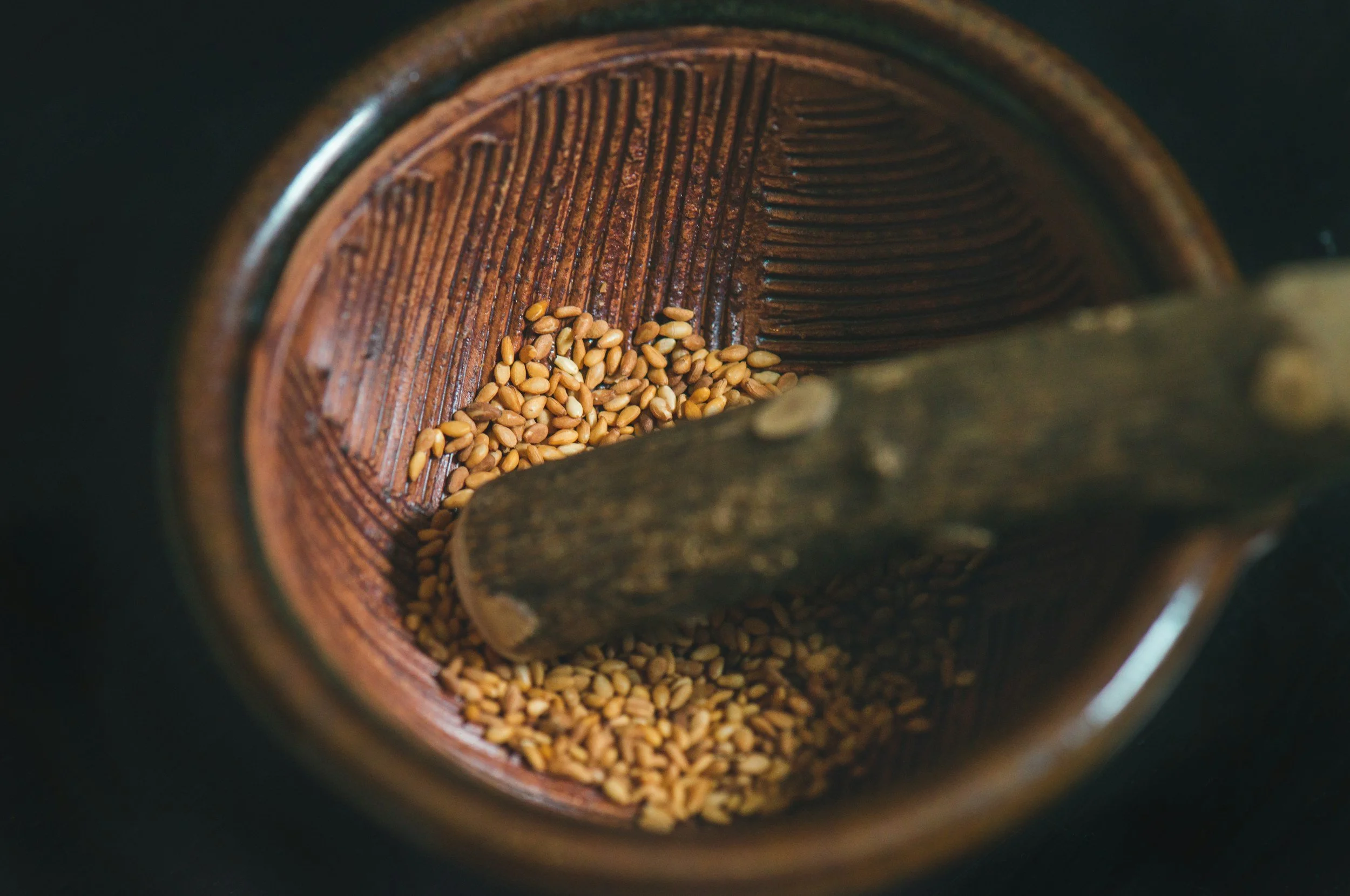
In Ayurveda, strong is considered one of the most sacred and therapeutic foods used for nourishment, rejuvenation, detoxification, and longevity. Known traditionally as strong or strong, sesame seeds and sesame oil have been used for thousands of years in Ayur
What Is Sesame in Ayurveda?
In Ayurveda, Sesame is considered one of the most sacred and therapeutic foods used for nourishment, rejuvenation, detoxification, and longevity. Known traditionally as Tila or Sesamum indicum, sesame seeds and sesame oil have been used for thousands of years in Ayurvedic medicine to strengthen the body, lubricate tissues, calm the nervous system, improve digestion, support reproductive health, and promote radiant skin and hair.
Sesame is deeply valued because of its ability to nourish all seven dhatus (body tissues), support ojas (vital essence), and balance Vata dosha. Ayurvedic practitioners frequently recommend sesame in therapies involving weakness, dryness, aging, nervous system imbalance, infertility, and joint disorders.
Ayurvedic Properties of Sesame
According to Ayurvedic pharmacology, sesame possesses powerful energetic qualities that make it highly therapeutic.
Rasa (Taste)
Sesame contains:
- Sweet (Madhura)
- Bitter (Tikta)
- Astringent (Kashaya)
- Slightly pungent undertones
These tastes contribute to its nourishing and grounding qualities.
Guna (Qualities)
Sesame is:
- Heavy (Guru)
- Oily (Snigdha)
These qualities help combat dryness, depletion, and weakness in the body.
Virya (Potency)
Sesame has a Ushna virya, which stimulates circulation, digestion, and metabolism while reducing coldness and stagnation.
Vipaka (Post-Digestive Effect)
Its post-digestive effect is Madhura vipaka, making sesame deeply anabolic and rejuvenating.
Dosha Effects of Sesame
Sesame for Vata Dosha
Sesame is one of the best foods for balancing Vata dosha due to its:
- Warming nature
- Heavy grounding energy
- Lubricating effect
- Nervous system support
It reduces symptoms such as:
- Dry skin
- Anxiety
- Constipation
- Insomnia
- Joint cracking
- Nervous exhaustion
Warm sesame oil massage is a cornerstone of Ayurvedic Vata management.
Sesame for Pitta Dosha
Because sesame is heating, it can increase Pitta when consumed excessively, especially during hot weather or in inflammatory conditions. However, moderate use may still be beneficial when combined with cooling herbs and foods.
People with excess Pitta should avoid overuse of roasted sesame and excessive sesame oil internally.
Sesame for Kapha Dosha
Sesame can mildly increase Kapha due to its heaviness and oiliness, but its heating quality also helps mobilize stagnant Kapha when used appropriately.
Small amounts of black sesame with warming spices may support healthy circulation and metabolism in Kapha constitutions.
Types of Sesame Used in Ayurveda
Black Sesame Seeds
Black sesame is considered the most medicinal form in Ayurveda.
Benefits of Black Sesame
- Strengthens bones and teeth
- Promotes fertility
- Improves hair growth
- Builds muscle tissue
- Enhances vitality
- Supports healthy menstruation
- Nourishes reproductive tissues
Black sesame is commonly used in rasayana (rejuvenation) therapies.
White Sesame Seeds
White sesame is lighter and more cooling compared to black sesame.
Benefits of White Sesame
- Supports digestion
- Provides calcium
- Nourishes skin
- Promotes healthy energy
- Easier to digest for some constitutions
White sesame is frequently used in culinary preparations and herbal formulations.
Sesame Oil in Ayurveda
Why Sesame Oil Is Highly Revered
Among all oils, sesame oil is considered one of the most penetrating and nourishing in Ayurveda. It carries herbal properties deep into tissues and helps remove toxins from subtle channels.
Traditional Ayurvedic texts praise sesame oil for its:
- Strengthening action
- Anti-aging properties
- Nervine support
- Detoxifying ability
- Lubricating qualities
Benefits of Sesame Oil Massage (Abhyanga)
1. Calms the Nervous System
Warm sesame oil deeply relaxes the nervous system and reduces stress-related Vata imbalance.
Daily self-massage helps:
- Improve sleep
- Reduce anxiety
- Calm restlessness
- Promote emotional stability
2. Improves Joint Health
Sesame oil lubricates joints and soft tissues, making it beneficial for:
- Arthritis
- Joint stiffness
- Muscle tightness
- Degenerative conditions
Its warming effect improves circulation and flexibility.
3. Nourishes the Skin
Sesame oil penetrates deeply into the skin, helping maintain hydration and elasticity.
Benefits include:
- Reduced dryness
- Improved complexion
- Enhanced glow
- Protection from environmental stress
Ayurveda often recommends sesame oil during colder months to protect against dryness and Vata aggravation.
4. Supports Healthy Hair Growth
Sesame oil strengthens hair roots and nourishes the scalp.
Traditional uses include:
- Preventing premature greying
- Reducing scalp dryness
- Improving hair thickness
- Supporting healthy shine
Warm oil scalp massage is commonly used in Ayurvedic beauty rituals.
Sesame for Bone Health
Sesame seeds are naturally rich in:
- Calcium
- Magnesium
- Zinc
- Copper
- Iron
Ayurveda associates sesame with strong asthi dhatu (bone tissue). Regular moderate consumption may help maintain healthy bones, teeth, nails, and hair.
Black sesame is particularly valued for women during postpartum recovery and later stages of life when bone nourishment becomes essential.
Sesame for Digestion and Gut Health
Sesame stimulates digestive fire while lubricating the intestines.
Digestive Benefits Include:
- Relief from dry constipation
- Improved nutrient absorption
- Better bowel regularity
- Support for weak digestion caused by Vata imbalance
Ayurvedic preparations often combine sesame with ginger, jaggery, fennel, or ghee to support healthy digestion.
Sesame for Women’s Health
Sesame has traditionally been used to support female reproductive wellness.
Benefits for Women
- Supports menstrual regularity
- Nourishes reproductive tissues
- Helps during postpartum recovery
- Strengthens the body after depletion
- Supports hormonal balance
Black sesame is especially prized in Ayurvedic formulations designed for vitality and reproductive strength.
Sesame for Rejuvenation and Longevity
Ayurveda classifies sesame among important rasayana substances because of its tissue-building and rejuvenating actions.
Regular use may support:
- Strength
- Endurance
- Healthy aging
- Cognitive stability
- Sexual vitality
- Ojas enhancement
Its deeply nourishing effect makes sesame valuable for individuals experiencing fatigue, burnout, weakness, or tissue depletion.
How to Use Sesame in Ayurveda
1. Sesame Oil Self-Massage
Warm sesame oil and massage the body before bathing.
Benefits
- Grounding
- Improved circulation
- Better sleep
- Reduced dryness
- Joint nourishment
This is especially beneficial during autumn and winter.
2. Eating Sesame Seeds
Sesame seeds may be consumed:
- Roasted
- Ground into paste
- Added to porridges
- Mixed into herbal balls
- Combined with jaggery
Moderate daily intake is generally recommended.
3. Sesame in Ayurvedic Remedies
Sesame is often included in traditional herbal formulations for:
- Bone weakness
- Vata disorders
- Hair care
- Fertility support
- Postpartum recovery
Who Should Avoid Excess Sesame?
Despite its many benefits, excessive sesame may not suit everyone.
People with:
- High Pitta
- Excess heat
- Severe inflammation
- Skin rashes
- Acid reflux
- Loose stools
should use sesame cautiously and preferably under Ayurvedic guidance.
Overconsumption may create excessive internal heat in sensitive individuals.
Best Time to Use Sesame
Ayurveda generally recommends sesame during:
- Cold seasons
- Dry climates
- Periods of stress
- Vata aggravation
- Aging and depletion
Sesame oil massage is particularly effective in the morning before bathing or in the evening to calm the nervous system.
Sesame in Ayurvedic Daily Routine (Dinacharya)
Sesame plays an important role in traditional Ayurvedic daily rituals.
Common Uses Include
- Oil pulling
- Nasya preparation
- Abhyanga massage
- Cooking oil
- Herbal oil base
- Hair oil applications
Its versatility makes sesame one of Ayurveda’s foundational wellness substances.
Modern Nutritional Value of Sesame
Modern nutritional science confirms many traditional Ayurvedic observations.
Sesame contains:
- Healthy fats
- Protein
- Fiber
- Calcium
- Iron
- Antioxidants
- Vitamin E
- Lignans
These nutrients contribute to cardiovascular health, skin integrity, metabolic balance, and overall vitality.
Conclusion: Why Sesame Remains Essential in Ayurveda
Sesame remains one of the most powerful and respected healing foods in Ayurvedic medicine. Its grounding, warming, lubricating, and rejuvenating qualities make it indispensable for maintaining strength, resilience, and vitality throughout life.
Know someone who needs this? Send it on.
WhatsAppThe journal, by letter
Slow notes, once a month.
Seasonal eating, new recipes and the rituals worth keeping — written by Lakshmi and sent from her own inbox.
Work with Lakshmi
If this raised a question about your own health, a consultation is the place to take it.
Ayurveda works alongside, not instead of, your medical care. I do not diagnose disease or replace your doctor.


