
Women's Health · 12 min read
Endometriosis and Adenomyosis: An Ayurvedic Perspective on Womb Pain
By Lakshmi Harilela · 11 November 2026
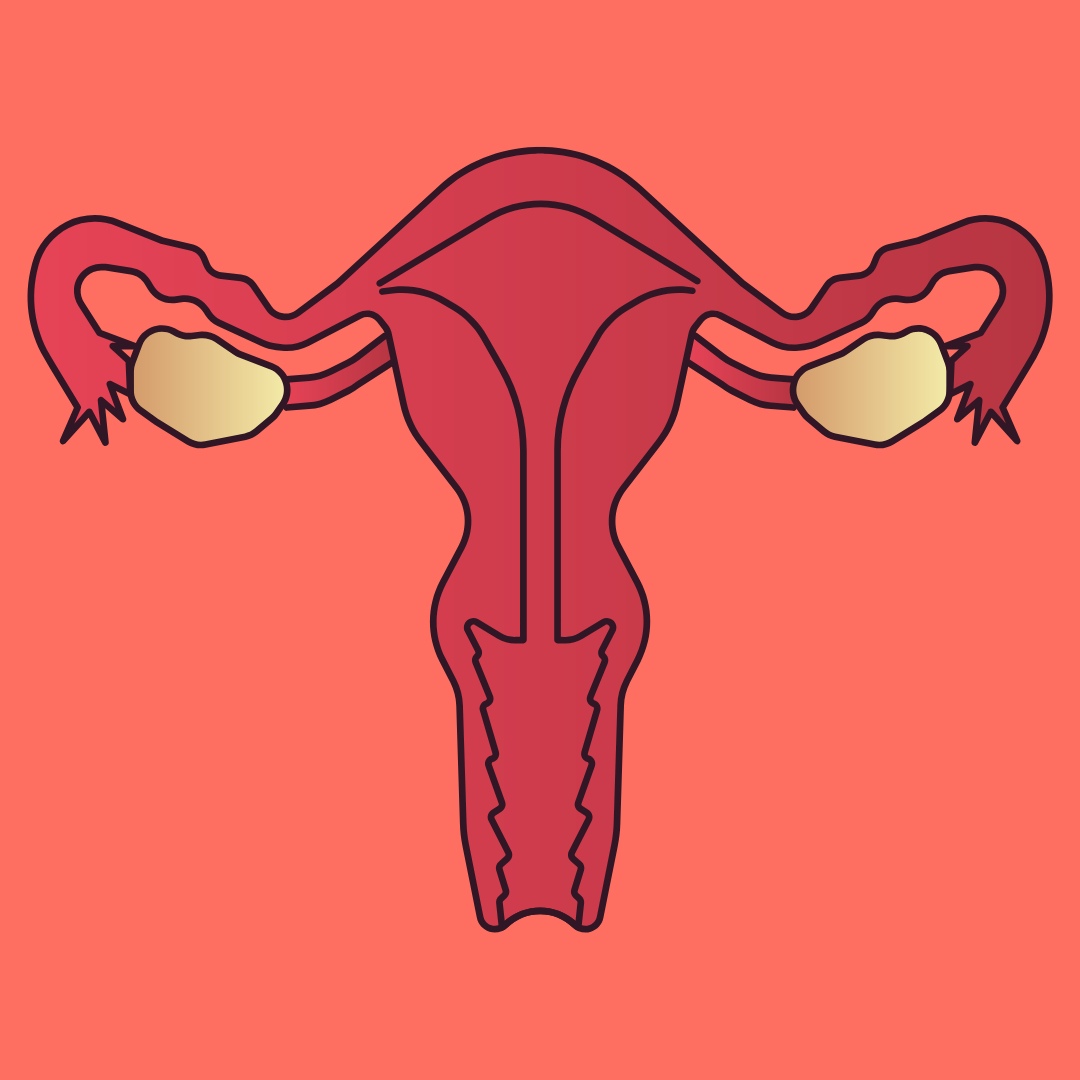
Two of the most misunderstood conditions in women's health, read through the Ayurvedic lens of apana vayu, agni and ama — where that view genuinely helps, and where it must step aside for scans, specialists and surgery.
Endometriosis and adenomyosis are two of the most misunderstood conditions a woman can walk into a clinic with. Both can take years to be named. Both can be dismissed as bad periods. And both sit in the part of the body Ayurveda has spent several thousand years paying close attention to: the womb, apana vayu, and the long, slow work of digestion.
What follows is not a diagnosis and not a promise of a cure. It is how I read these conditions through an Ayurvedic lens, where that view genuinely helps, and where it must step aside for scans, specialists and surgery.
First, the medical picture
Endometriosis is tissue similar to the uterine lining growing where it does not belong: on the ovaries, the pelvic wall, the bowel, sometimes far from the pelvis. That tissue responds to hormones, bleeds, and creates inflammation, scarring and adhesions. Pain is the loudest symptom, but fatigue, painful sex, painful bowel movements and difficulty conceiving are common companions.
Adenomyosis is different. Here the endometrial tissue grows into the muscle wall of the uterus itself. The uterus becomes enlarged, heavy and tender. Periods are often very heavy and painful, and there is a dragging, weighted feeling in the pelvis that many women describe as a stone sitting low in the belly.
They can occur together, they can be confused for one another, and neither is caused by anything you did or failed to do. That last point matters more than any herb I could name.
What Ayurveda sees looking at the same body
Ayurveda does not know the word endometriosis. What it does describe, in detail, is the territory: artava vaha srotas, the channels of menstrual tissue and flow; apana vayu, the downward-moving energy responsible for release, elimination and birth; and agni, the digestive fire that decides what the body can turn into tissue and what it must push out as ama, unprocessed residue.
Read through that framework, chronic pelvic pain of this kind usually looks like a combination:
- Vata disturbance in apana vayu. Movement, release and downward flow become erratic. In practice: sharp, stabbing, migrating pain, bloating, irregular bowels, cold hands, disrupted sleep, anxiety around the cycle.
- Pitta inflammation. Heat, bleeding, burning, irritability, heavy flow, feeling worse when overheated or overworked.
- Ama in the tissue. Ayurveda's word for sticky, undigested residue that lodges where the channels are already narrow. This is the closest concept to the inflammation and adhesion picture of endometriosis: tissue that should have been cleared, staying and causing trouble.
- Depleted ojas. The exhaustion so many women report, months before anyone takes it seriously.
Notice that this is a pattern, not a label. Two women with the same scan report can read very differently in an Ayurvedic assessment, and that difference is the whole point of the next section.
Why your friend's protocol will not work for you
Ayurveda separates prakriti, the constitution you were born with, from vikriti, the imbalance you are carrying now. A vata-dominant woman with endometriosis and a pitta-dominant woman with endometriosis may share a diagnosis and need opposite food, opposite oils and opposite daily rhythms.
Add the variables that make women's health genuinely complicated: cycle length and flow, pain timing, bowel habits, sleep, stress load, work demands, whether you are trying to conceive, what medication you take, and how many years you have been coping without help. There is no honest way to compress that into a single protocol, a powder or a seven-day reset sold to everyone.
If a practitioner gives every woman with pelvic pain the same plan, they are not practising Ayurveda. They are selling it.
Where herbal and lifestyle support genuinely helps
This is not a soft option, and it is not nothing. In my practice it helps most with the things that make a painful cycle unliveable:
- Pain and inflammation support, through food, warmth, oil and bitter, drying herbs used at the right phase of the cycle.
- Digestion. Constipation and bloating reliably make pelvic pain worse. Fixing agni often reduces the sense of pressure and heaviness more than people expect.
- Nervous system and sleep. Pain is exhausting, and exhaustion lowers pain tolerance. Routine, warmth and rest are medicine, not indulgence.
- Cycle literacy. Knowing which days are yours to push and which are yours to protect, and planning your month accordingly.
- Recovery. After laparoscopy or a difficult flare, Ayurvedic care supports the rebuild: strength, appetite, sleep and blood-building foods.
- Emotional support. Living with a chronic, invisible condition is a grief process. A practice that makes room for that is doing real work.
What Ayurveda cannot do
It cannot reliably shrink endometrial deposits or reverse adenomyosis. It is not a substitute for imaging, for a gynaecologist, for pain management, or for surgery when surgery is indicated. Anyone who tells you a herbal protocol makes surgery or medical management unnecessary is asking you to take a large risk on their confidence.
The honest framing is this: medical care addresses the lesions and the diagnosis. Ayurvedic care addresses the terrain, the pain experience, digestion, sleep, energy and resilience. Both can matter. Neither replaces the other.
Herbs are medicine, and medicine needs supervision
Shatavari, ashwagandha, dashamoola, lodhra, punarnava, triphala, turmeric, ginger: you will find all of them recommended for pelvic pain online, often with no mention of dose, phase of cycle, or contraindication.
A few cautions worth stating plainly. Some are heating and will aggravate a pitta-dominant, inflamed picture. Some influence bleeding and should not be taken around surgery. Some interact with hormonal medication, thyroid medication, blood thinners or fertility treatment. Ashwagandha in particular is not a neutral wellness powder, and the right dose for a 30-year-old with insomnia is not the right dose for a woman preparing for a laparoscopy.
Take herbs as a prescription, not a product.
Working with your doctor, not against them
You are allowed to hold both conversations at once. Bring your scan reports to your Ayurvedic appointment. Tell your gynaecologist what herbs you are taking. Ask about flares during treatment rather than stopping treatment quietly.
And on the big decisions, contraception, hormonal management, insertion of a device, surgery, the Ayurvedic role is to help you go in clear-headed and well nourished, not to talk you out of the care you need.
A grounded first week
If you are at the beginning and want something honest to start with while you wait for appointments, this is where I usually begin:
- One warm, cooked meal at midday, eaten sitting down, as your largest meal of the day.
- Warm water through the day, and nothing iced around your period.
- Ten minutes of oil on the skin before a warm shower, twice a week.
- A consistent bedtime, earlier than feels convenient.
- A simple record of pain, flow, bowels and sleep for one full cycle. Bring that to your doctor and your practitioner. Patterns are persuasive in a way single complaints are not.
The goal of that week is not to fix anything. It is to stop adding to the load, so the body has something to work with.
A closing note
Endometriosis and adenomyosis are real, physical, sometimes severe conditions, and you are not imagining them. Ayurveda's contribution is a long, patient attention to how you digest, sleep, warm and rest, and a refusal to treat every woman as the same case. That is worth having alongside good medical care.
This article is educational and is not medical advice, diagnosis or treatment. Ayurvedic support works alongside, never instead of, care from your doctor or gynaecologist.
The journal, by letter
Slow notes, once a month.
Seasonal eating, new recipes and the rituals worth keeping — written by Lakshmi and sent from her own inbox.
Work with Lakshmi
If this raised a question about your own health, a consultation is the place to take it.
Ayurveda works alongside, not instead of, your medical care. I do not diagnose disease or replace your doctor.
Keep reading

Women's Health
Herbs, Habits and Hard Choices: Why Women's Health Has No One-Size-Fits-All Answer

Ayurveda
Hong Kong Ayurvedic Practitioner Services: Consultations, Panchakarma, Shirodhara & Women's Health
Ayurveda
Ayurvedic Management of Chronic Pain: A Holistic Approach to Understanding and Managing Persistent Pain