Women's Health · 11 min read
Herbs, Habits and Hard Choices: Why Women's Health Has No One-Size-Fits-All Answer
By Lakshmi Harilela · 11 November 2026

What herbal and lifestyle support can and cannot do, why your friend's protocol won't work for you, and a fair look at why inserted options such as the coil or implant are not always the best answer.
When you are in pain, the appeal of a single answer is enormous. One protocol, one powder, one procedure, one decision that closes the subject. I understand it, because I meet women every week who are exhausted by options.
But the reason there is no one-size-fits-all method for women's health is not that nobody has tried hard enough. It is that the variables are genuinely individual, and any honest method has to start there.
Why a single protocol cannot exist
Start with constitution. A vata-dominant woman with painful periods tends to run cold, dry and irregular, and needs warmth, oil, regularity and steady meals. A pitta-dominant woman with the same complaint runs hot and inflamed, and needs cooling food, less intensity and gentler routines. Kapha needs movement, lightness and less heaviness on the plate. Give all three the same protocol and two of them get worse.
Then add everything else: your cycle length and flow, whether you are on hormonal medication, whether you are trying to conceive, your digestion, your sleep, your work, your caring responsibilities, whether you have had surgery, and what phase of life you are in. A plan that ignores those is not a plan. It is a leaflet.
Finally, add what you actually want. Some women want to reduce pain. Some want to conceive. Some want to stop bleeding heavily. Some want to feel like themselves again. These goals lead to different choices even when the diagnosis is identical.
What herbal support actually does
Herbal support in Ayurveda works on the conditions that make a body able to cope: digestion, circulation, tissue nourishment, inflammation and the nervous system. Used properly, it is specific, phased and dosed.
Used as a supplement habit, it is mostly expensive.
A few principles I hold to:
- Right herb, right person. Turmeric and ginger are wonderfully anti-inflammatory and too heating for some women. Shatavari is nourishing and too heavy for others. Bitter herbs clear and dry, and can deplete someone already dry and exhausted.
- Right phase. The herbs that suit your bleed are not the herbs that suit your follicular phase. Cycle-aware prescribing exists for a reason.
- Right dose and duration. Herbal medicine is medicine. It has an effective range, a duration and a stopping point.
- Safety first. Herbs interact with hormonal treatments, thyroid medication, blood thinners and fertility drugs. Tell every practitioner everything you take.
Lifestyle support is not the soft option
The changes that most reliably shift how a woman feels are unglamorous: eating at regular times, sleeping before midnight, warmth on the abdomen, oil on the skin, movement that matches the phase of the cycle, less caffeine, less iced everything, and attention to how food is actually digesting.
Read that list again and notice it cannot be sold as a product. That is precisely why it is underrated.
In practice, the women who do best are rarely the ones with the most supplements. They are the ones who changed three or four things and kept them up for months.
The inserted question: devices, coils and implants
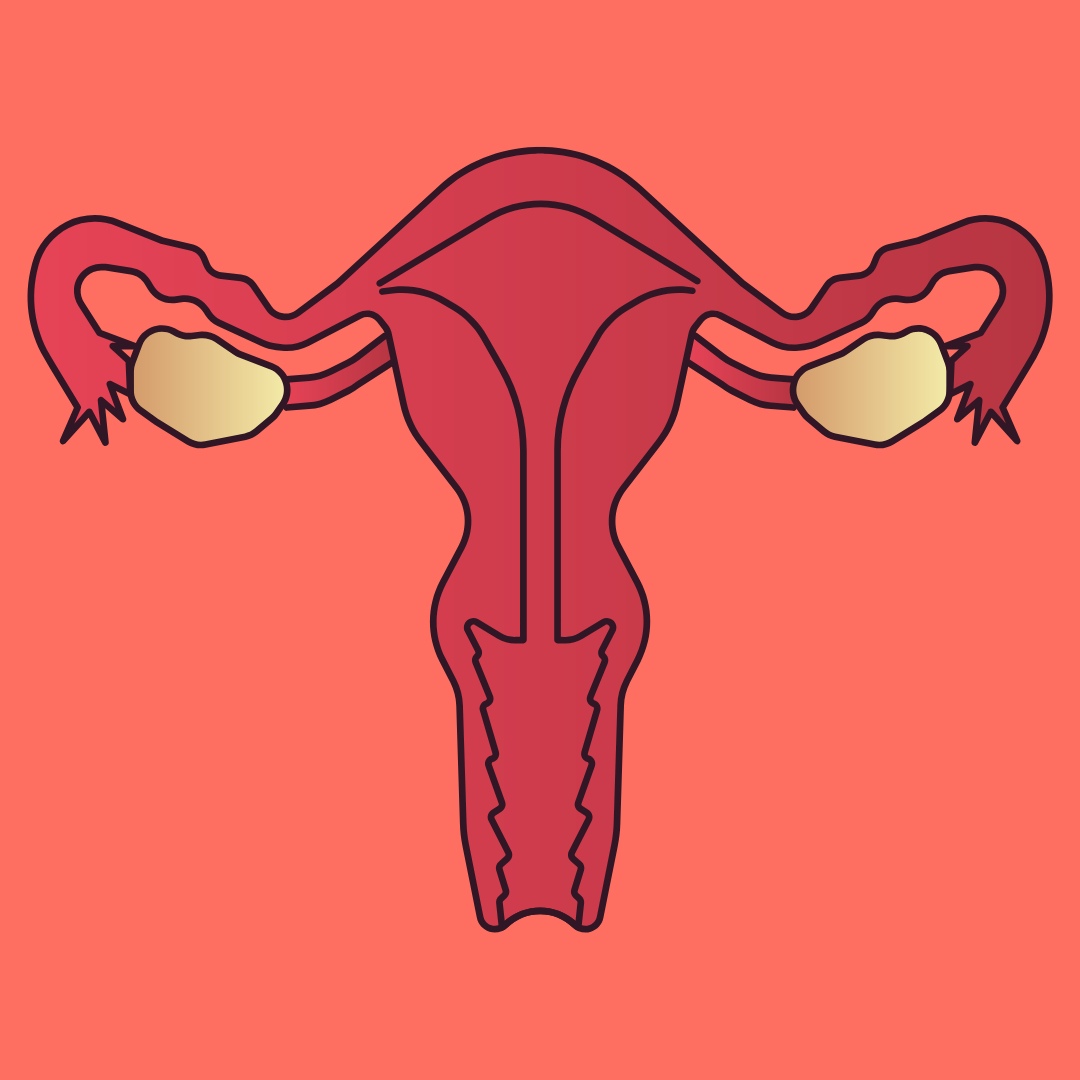
The word "inserted" usually means one of two things: a copper IUD, or a hormonal IUD or implant. These are legitimate, widely used, often excellent options. They are also not automatically the best option, and a woman asking good questions about them is not being difficult.
Here is a fair account of both sides.
What they genuinely offer. Reliable contraception with nothing to remember daily. For many women a hormonal IUD reduces heavy bleeding and period pain substantially, sometimes dramatically. For adenomyosis with very heavy flow, it can be one of the few things that makes a cycle manageable. For some, it is the difference between functioning and not.
Why they are not always the best option. A few honest points often left out of the two-minute consent conversation:
- Insertion is a procedure, and it can be painful. The evidence on pain relief during insertion is inconsistent, and women's experiences vary from mild cramping to genuinely traumatic. You can ask for pain management. You can ask for a skilled clinician.
- The first months can be rough. Irregular bleeding, spotting, cramps and mood changes are common and sometimes settle, sometimes do not.
- Response is individual. One woman's cycle settles beautifully; another's pain pattern changes or worsens. Insertion is not a neutral act on a system that is already dysregulated.
- They manage a symptom, not the cause. Less bleeding does not mean the underlying pattern is addressed. That can be a perfectly acceptable trade, as long as it is a conscious one.
- They can mask change. Bleeding on a hormonal device is not always a clear signal. If you track cycles to understand your body, that information changes.
- Expulsion and complications happen, rarely but really, and follow-up matters.
None of that makes a device bad. It makes it a decision with trade-offs, which is true of every real medical choice. The right question is never "is this good or bad", but "does this fit this woman, her body, her goals and her season of life?"
If you are weighing it up, ask your doctor these questions: What is this expected to do for my specific symptom pattern? What will we do if my pain worsens in the first three months? What are the alternatives, including doing nothing for now? How will we know if it is working?
What "best" should actually mean
Before you choose a method, a herb or a protocol, answer four questions honestly.
- What am I actually trying to change? Pain, flow, fertility, energy, mood, or all of them, in what order?
- What is my body's current state? Tired, inflamed, depleted, overworked, underfed, over-caffeinated?
- What can I realistically sustain for three months? Not a perfect month. Three.
- What am I unwilling to give up? Be honest. A plan that ignores this is a plan you will abandon in three weeks.
Answer those and the plan usually narrows itself. Two herbs, three food changes, one practice, one medical decision to discuss at your next appointment.
Building something that fits one person
This is what a personal consultation is actually for, and why a questionnaire cannot replace it. We look at your tongue, pulse, digestion, sleep, cycle and history. We decide together whether Ayurvedic support is the right layer to add now, or whether the priority is a scan, a specialist referral, a change of medication, or simply rest.
There is no universal answer here. There is one woman, one pattern, and a plan built to match it.
This article is educational and is not medical advice, diagnosis or treatment. Herbal and lifestyle support works alongside, never instead of, care from your doctor or gynaecologist.
The journal, by letter
Slow notes, once a month.
Seasonal eating, new recipes and the rituals worth keeping — written by Lakshmi and sent from her own inbox.
Work with Lakshmi
If this raised a question about your own health, a consultation is the place to take it.
Ayurveda works alongside, not instead of, your medical care. I do not diagnose disease or replace your doctor.