Women's Health · 16 min read
The Whole Month: PMS, Menstrual Cycles and What Ayurveda Actually Offers
By Lakshmi Harilela · 20 November 2026
A woman's cycle is four phases, not one event. An in-depth guide to the physiology of the month, what PMS is and is not, what the classical Ayurvedic texts really say about menstruation, and the practical, low-risk things worth trying in each phase.
Most women are taught about their cycle in a single sentence: it comes, it is inconvenient, it goes. What is rarely taught is that the month is not one event but four, each with its own physiology, its own strengths, and its own particular way of going wrong.
Ayurveda has a long and specific relationship with this territory. It is not the only way to read a cycle, and it is not a replacement for the investigations and treatments that modern medicine does well. But it offers something many women find missing: a framework that treats the whole month as the subject, not just the days that bleed.
What follows is the medical picture, then the Ayurvedic one, then what the classical texts actually say, and finally what you can practically do with any of it.
First, what is actually happening
A menstrual cycle is counted from the first day of bleeding to the day before the next bleed begins. Twenty-one to thirty-five days is considered typical, with bleeding lasting roughly three to seven days.
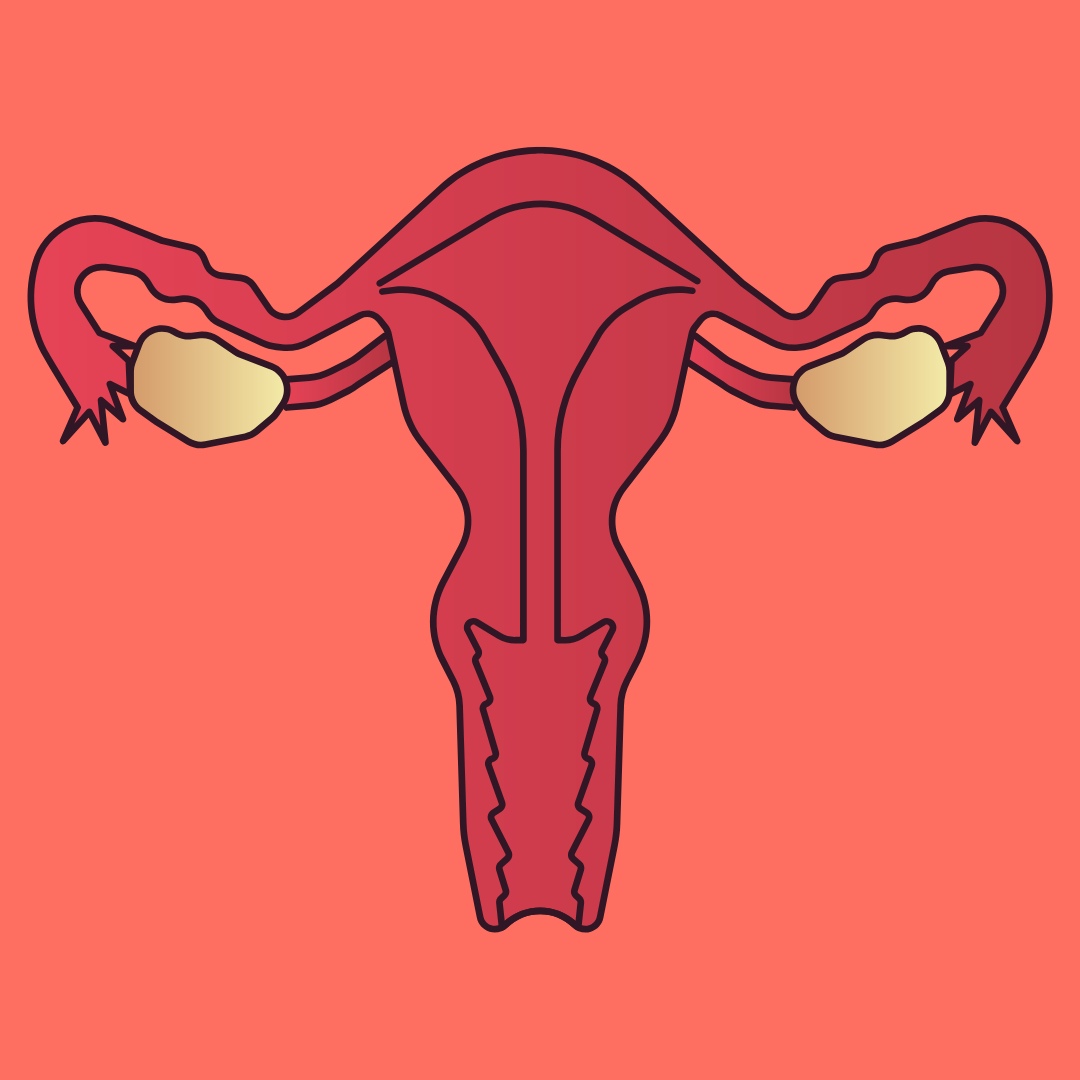
Behind that outward rhythm are four hormonal phases. In the menstrual phase, the uterine lining sheds as oestrogen and progesterone fall. In the follicular phase, follicle-stimulating hormone recruits follicles, oestrogen climbs, and the lining rebuilds. Ovulation releases an egg around the midpoint, triggered by a surge of luteinising hormone. In the luteal phase, the corpus luteum produces progesterone, which holds the lining in place for roughly two weeks. If no pregnancy occurs, progesterone falls, and the cycle begins again.
Every symptom people call hormonal traces back to that sequence. The luteal phase, with its high progesterone and falling oestrogen, is where most premenstrual symptoms live. The menstrual phase, with both hormones at their floor, is where cramping, fatigue and low mood cluster.
What PMS is, and what it is not
Premenstrual syndrome is a cluster of physical and emotional symptoms that appears in the second half of the cycle and resolves within the first few days of bleeding. Bloating, breast tenderness, headaches, irritability, low mood, food cravings, disturbed sleep and a drop in concentration are all typical.
For most women this is uncomfortable but manageable. For a smaller group, symptoms are severe enough to affect work and relationships, and the pattern is cyclical and predictable. A distinct and more serious diagnosis, premenstrual dysphoric disorder, involves marked mood symptoms and deserves clinical assessment rather than self-management.
The important distinction is that PMS is defined by its timing. Symptoms that occur all month, or that do not resolve when bleeding begins, are something else.
When to see a doctor instead
Ayurveda is a useful complement, not a substitute for diagnosis. Please see a doctor before assuming your symptoms are simply premenstrual if you recognise any of the following.
- Pain that stops you living normally, or that has worsened over time.
- Bleeding so heavy you change protection hourly, pass large clots, or feel faint.
- Bleeding between periods, after sex, or after menopause.
- Cycles shorter than twenty-one days or longer than thirty-five, or cycles that have suddenly changed.
- Symptoms of low thyroid function, such as unusual cold intolerance, hair loss or unexplained weight change.
- New acne, facial hair or significant weight change alongside irregular cycles, which can point to polycystic ovary syndrome.
- Symptoms that began or changed after starting hormonal contraception, or that suggest perimenopause.
Endometriosis, adenomyosis, fibroids, thyroid disease, PCOS and perimenopause all masquerade as bad periods. Each needs proper investigation.
How Ayurveda reads the cycle
Ayurveda describes the body through three functional qualities, or doshas: vata, which governs movement and dryness; pitta, which governs heat and transformation; and kapha, which governs structure and moisture. Health is not the absence of these but their balance in a given person, season and stage of life.
In this framework, the reproductive system sits under apana vayu, the downward-moving aspect of vata responsible for elimination, menstruation and childbirth. When apana moves well, blood leaves cleanly and completely. When it is obstructed or erratic, the classical texts describe pain, irregularity and retained or disordered flow.
Blood and tissue are kapha in nature, so the quality of the monthly build depends on nourishment and on digestion. The heat that drives ovulation and transformation is pitta. This is why the same complaint can look entirely different in two women: a vata-type cycle tends to be irregular, light, dry and painful with cold; a pitta-type cycle tends to be heavy, hot, early and accompanied by irritability and loose stools; a kapha-type cycle tends to be slow to start, heavy, congested and accompanied by bloating and sluggishness.
This is not a diagnostic system you should apply to yourself with confidence from an article. It is a way of explaining why the same advice helps one woman and worsens another.
What the classical texts actually say
Ayurveda's foundational texts are the Charaka Samhita, the Sushruta Samhita and the Ashtanga Hridayam, compiled and revised across roughly the first millennium BCE to the first millennium CE. They are compendia of observation, not laboratory science, and reading them honestly means reading them as historical documents that contain real clinical insight.
Charaka's Chikitsasthana, chapter thirty, is devoted to yonivyapad, disorders of the female reproductive tract, and describes twenty distinct conditions with their causes and treatments. What is striking is how closely some of those descriptions map onto what we now call dysmenorrhoea, heavy bleeding, discharge and prolapse, and how much attention is given to the emotional and digestive contributors rather than only to the reproductive organs themselves.
Sushruta's surgical tradition pays close attention to the anatomy of the pelvis and to the importance of unobstructed flow, and its descriptions of the womb's channels shaped later practice considerably.
Ashtanga Hridayam describes rajaswala paricharya, the care of a woman during menstruation. The practical core is simple: rest, warmth, protection from cold and exertion, gentle food, and no sexual intercourse during bleeding. On the fourth day, the woman bathes and returns to ordinary life.
Here is where honesty matters. Some of these texts frame menstruation through the language of impurity, and some later traditions used that framing to exclude women from kitchens, temples and household life. That is a social and religious layer, not a medical one, and it has caused real harm. What is worth keeping is the observation underneath: that the bleeding days are a time when the body is doing significant work and benefits from rest, warmth and reduced demand. What is not worth keeping is shame.
Translation also matters. Different English editions render these passages very differently, and a phrase that reads as a restriction in one translation reads as a recommendation for comfort in another. Where a text is being cited, cite the edition.
The four phases, and what each one asks of you
Menstrual phase
This is the vata phase. The body is emptying, energy is low, and the nervous system is more sensitive to cold, disruption and overstimulation. The classical advice to rest and stay warm is genuinely useful here.
Practically: warmth over the lower abdomen, cooked and easily digestible food, adequate iron and fluid, and permission to do less. Avoid intense exercise, cold swimming pools and long stretches of air conditioning if you are cramping. Gentle walking and restorative movement are usually fine.
Follicular phase
As oestrogen rises, energy and mood typically lift. This is the kapha phase of building, and it is the best window of the month for strength work, learning, and starting things.
Practically: this is where to schedule demanding exercise, new projects and social commitments. Food can be lighter and more varied. Digestion is usually strongest now.
Ovulatory phase
Around ovulation, pitta is at its peak: heat, drive, confidence and sometimes irritability. Cervical mucus becomes clear and stretchy, and some women notice a twinge on one side.
Practically: intensity is well tolerated, but so is overheating. Cooling foods, adequate hydration and not overcommitting are the useful adjustments. This is also the phase when libido and sociability tend to rise, which is worth knowing rather than fighting.
Luteal phase
Progesterone rises, then falls. Early on there is often a settled, nesting quality. In the final week, as both hormones drop, pitta gives way to vata and symptoms cluster: irritability, bloating, breast tenderness, cravings, anxiety and disturbed sleep.
Practically: this is where the premenstrual work happens, and it works best done in advance rather than in the middle of a bad day. Steadier meal timing, less caffeine and alcohol, more sleep, warmth, and lower intensity training all help. Magnesium-rich foods and consistent protein intake are reasonable and low-risk supports.
The month at a glance
Four phases, four ways of eating
Day counts are typical for a 28-day cycle. Your own timing may shift.
Menstrual
Days 1–5
The lining sheds and both hormones sit at their lowest. Energy dips.
Eat
- Warm cooked grains and dhal
- Iron-rich greens with vitamin C
- Ginger and fennel tea
- Ghee and sesame oil
Ease off
Cold drinks, raw salads, caffeine
Follicular
Days 6–13
Oestrogen climbs, the lining rebuilds, energy and mood lift.
Eat
- Light steamed vegetables
- Sprouted legumes and quinoa
- Barley and millet
- Fresh herbs and lemon
Ease off
Heavy fried food, excess dairy
Ovulatory
Days 14–16
The egg is released and pitta heat, drive and confidence peak.
Eat
- Coconut, cucumber, coriander
- Sweet fruit and leafy greens
- Rice and mung dhal
- Plenty of water
Ease off
Chilli, alcohol, excess coffee
Luteal
Days 17–28
Progesterone rises then falls. Cravings and PMS cluster in the last week.
Eat
- Steady protein at each meal
- Sweet potato, squash, oats
- Magnesium-rich seeds and nuts
- Warm milk with cardamom
Ease off
Salt, sugar, caffeine, alcohol
Food through the month
There is no single menstrual diet, but there are patterns worth testing.
- Warm, cooked, oiled food generally suits the bleeding days better than cold, dry or raw food.
- Iron-rich foods with vitamin C alongside them matter during and after heavy bleeding.
- Caffeine and alcohol tend to sharpen premenstrual anxiety and disturb sleep, and reducing them for one cycle is a cheap experiment.
- Salty, packaged food worsens bloating in the luteal phase for many women.
- Regular meal timing supports the blood-sugar stability that premenstrual mood symptoms are sensitive to.
Warmth, oil and touch
Abhyanga, the practice of oiling the body before bathing, is one of Ayurveda's most transferable tools and one of the least risky. Sesame oil is warming and traditionally used in vata-type patterns; coconut oil is cooling and suits pitta-type heat. During the bleeding days, many practitioners advise applying oil to the body but not directly massaging the lower abdomen with strong pressure.
A hot water bottle, a warm bath, or a heated pad over the lower abdomen remains one of the best-evidenced interventions for period pain, and it is essentially the same advice the classical texts give.
Castor oil packs are widely used traditionally for pelvic congestion. They are messy, they are not appropriate during heavy bleeding, and they should not be used in pregnancy.
Movement and rest
Movement through the month works best when it follows the cycle rather than fighting it. Strength training in the follicular phase, moderate intensity around ovulation, and walking, yoga or mobility work in the late luteal and menstrual phases is a rhythm most women can sustain.
Rest is not laziness. The luteal phase shortens sleep efficiency for many women, and the menstrual phase costs energy. Protecting sleep in the final week of the cycle does more for premenstrual mood than most supplements.
Herbs: what is used, and what to be careful with
Ayurvedic herbal practice for the cycle is extensive. These are the ones most commonly discussed, with the cautions that matter more than the benefits.
- Shatavari is traditionally used as a nourishing, cooling tonic for the female reproductive system. It is often suggested in pitta-type patterns and during perimenopause. Caution: it is not appropriate in pregnancy, and it may interact with medication.
- Ashwagandha is used for stress, sleep and vata-type depletion. Caution: it can affect thyroid function, and it is not for use in pregnancy or with thyroid medication without supervision.
- Ashoka, whose name translates as "without sorrow", is one of the classical remedies for disordered menstrual flow. Caution: heavy or abnormal bleeding needs a diagnosis first.
- Lodhra is used traditionally for excessive flow and discharge. Caution: it should not be used to mask bleeding that requires investigation.
- Dashamula is a warming decoction used for vata-type pelvic and postpartum patterns. Caution: practitioner guidance is essential.
Two general rules are worth stating plainly. First, herbs are medicines and interact with other medicines. Second, if you are trying to conceive, are pregnant, are breastfeeding, or are taking hormonal, thyroid or anticoagulant medication, do not begin an herbal protocol from an article. Work with a qualified practitioner who knows your history.
Living with a cycle in Hong Kong
Hong Kong makes specific demands on this work. Air conditioning is relentless and drying, which aggravates vata-type cramping and cold. Summer humidity and dampness aggravate kapha-type heaviness and bloating. The long, damp winter is hard on circulation. Travel, late working hours and small flats make rest harder than it sounds.
Practical adjustments: keep a light cardigan or shawl for offices and restaurants, keep a hot water bottle at home, use the sauna and steam rooms you have access to (with the usual cautions), and treat sleep as a scheduled commitment rather than a leftover.
A four-week starting point
If you want somewhere to begin, this is a reasonable and low-risk first cycle. Change one thing at a time so you can actually tell what helped.
- Track your cycle and your symptoms for one full month, noting phase and severity. Nothing else works without this.
- In the luteal week, cut caffeine after midday and protect your sleep window.
- During bleeding, prioritise warmth, cooked food and gentler movement.
- In the follicular phase, put your harder training and bigger commitments here.
- Book a proper check if anything on the red-flag list applies to you.
What Ayurveda cannot do
It cannot diagnose endometriosis or adenomyosis. It cannot replace a scan, a blood panel or a specialist referral. It cannot safely treat heavy bleeding without knowing why the bleeding is heavy. And no tradition, however old, should be used to tell a woman that her pain is normal.
What it can do is give you a way of understanding the whole month, a set of low-risk practices for each phase, and a habit of paying attention that most women were never taught.
Where to read further
The classical references above are to Charaka Samhita, Chikitsasthana 30; Sushruta Samhita; and Ashtanga Hridayam. Read a reputable scholarly translation rather than a summary, and note the edition.
For the medical picture, the NHS menstrual and premenstrual pages, the American College of Obstetricians and Gynecologists patient resources, and current NICE guidance on heavy menstrual bleeding and endometriosis are reliable starting points.
If you would like to work through your own cycle with someone who can read the whole picture, a consultation is the right place to start.
The journal, by letter
Slow notes, once a month.
Seasonal eating, new recipes and the rituals worth keeping — written by Lakshmi and sent from her own inbox.
Work with Lakshmi
If this raised a question about your own health, a consultation is the place to take it.
Ayurveda works alongside, not instead of, your medical care. I do not diagnose disease or replace your doctor.